
Creating the Perfect Customized Exercise Regimen for You
Starting a fitness journey can feel overwhelming. You might wonder where to begin, what exercises to choose, or how to stay motivated. The key to success lies in creating a customized exercise regimen that fits your unique needs, goals, and lifestyle. When your workout plan is tailored just for you, it becomes easier to stick with it and see real progress.
In this post, you will discover practical steps to design a workout routine that works for you. From understanding your fitness goals to balancing different types of exercises, you’ll get clear guidance to help you move confidently toward your best self.
Why a Customized Exercise Regimen Matters
Not all workouts are created equal. What works for one person might not work for another. Your body type, fitness level, schedule, and preferences all play a role in shaping the best plan for you. A customized exercise regimen ensures that you:
Target your specific goals: Whether you want to lose weight, build muscle, improve endurance, or boost flexibility, your plan will focus on what matters most to you.
Prevent injury: By considering your current fitness and any physical limitations, you reduce the risk of overtraining or injury.
Stay motivated: When your workouts feel enjoyable and achievable, you’re more likely to keep going.
Track progress effectively: A personalized plan helps you set realistic milestones and celebrate your achievements.
For example, if you have a busy work schedule, your regimen might include shorter, high-intensity workouts that fit into your day. If you prefer outdoor activities, your plan could incorporate walking, running, or cycling. The goal is to make fitness a natural part of your life.

How to Build Your Customized Exercise Regimen
Creating your own workout plan involves several important steps. Here’s a simple process to get you started:
1. Define Your Fitness Goals
Be specific about what you want to achieve. Examples include:
Lose 10 pounds in 3 months
Run a 5K race
Increase upper body strength
Improve flexibility and reduce back pain
Write down your goals and keep them visible. This clarity will guide your exercise choices.
2. Assess Your Current Fitness Level
Understanding where you stand helps you avoid frustration and injury. Consider:
How often you currently exercise
Your endurance (e.g., how long you can walk or run)
Strength levels (e.g., how many push-ups you can do)
Any health concerns or injuries
You might want to consult a fitness professional for an assessment or use simple self-tests.
3. Choose the Right Types of Exercise
A balanced regimen includes:
Cardiovascular training: Activities like walking, running, cycling, or swimming improve heart health and burn calories.
Strength training: Using weights, resistance bands, or bodyweight exercises builds muscle and boosts metabolism.
Flexibility and mobility: Stretching, yoga, or Pilates enhance range of motion and reduce injury risk.
Rest and recovery: Allow your body time to heal and grow stronger.
4. Plan Your Weekly Schedule
Decide how many days you can realistically commit to exercise. Beginners might start with 3 days a week, gradually increasing to 5 or 6. Mix different types of workouts to keep things interesting.
5. Set Realistic Milestones
Break your big goals into smaller steps. For example, if your goal is to run a 5K, start by walking 15 minutes a day, then add jogging intervals, and gradually increase distance.
6. Track Your Progress
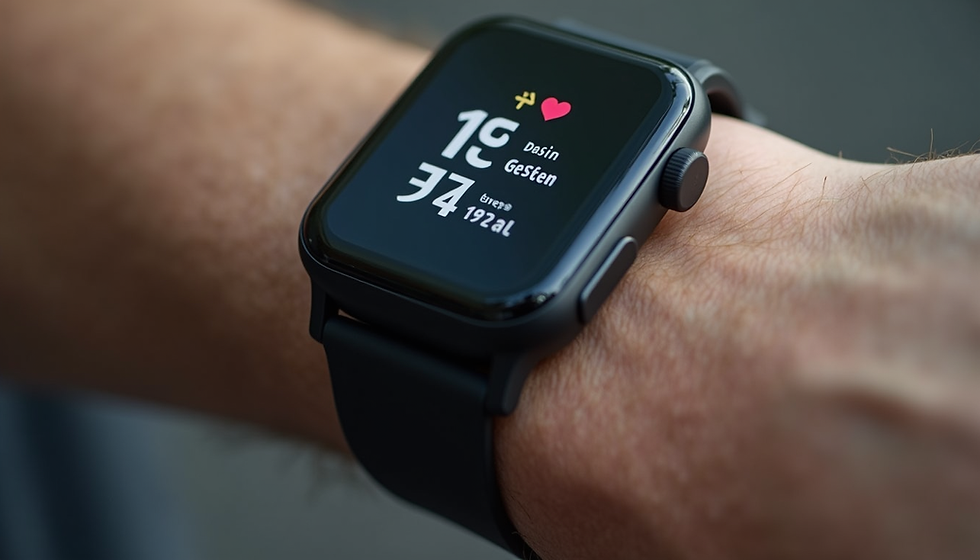
Keep a workout journal or use an app to log your exercises, duration, and how you feel. This helps you stay accountable and adjust your plan as needed.
What is the 2 2 2 Rule in Gym?
The 2 2 2 rule is a simple guideline to help you balance your workouts and avoid overtraining. It suggests:
2 days of strength training
2 days of cardio
2 days of flexibility or active recovery
This approach ensures you work on all aspects of fitness without overwhelming your body. For example, you might do weightlifting on Monday and Thursday, cardio on Tuesday and Friday, and yoga or stretching on Wednesday and Saturday. Sunday can be a full rest day.
Following the 2 2 2 rule helps you build strength, endurance, and flexibility evenly. It also keeps your routine varied and enjoyable, which is key to long-term success.
Tips for Staying Motivated and Consistent
Even the best plan won’t work if you don’t stick with it. Here are some friendly tips to keep you on track:
Find a workout buddy: Exercising with a friend can make workouts more fun and hold you accountable.
Mix it up: Try new activities to prevent boredom and challenge different muscles.
Celebrate small wins: Every extra push-up or longer walk is progress.
Listen to your body: Rest when needed and adjust intensity if you feel pain or fatigue.
Set reminders: Schedule workouts like appointments so they become a habit.
Reward yourself: Treat yourself to something enjoyable after reaching milestones.
Remember, fitness is a journey, not a race. Be patient and kind to yourself.

Making Your Personalized Workout Plan Work for You
Creating a personalized workout plan is just the beginning. To truly benefit, you need to integrate it into your daily life. Here are some final thoughts to help you succeed:
Adapt as you go: Your needs and goals may change. Don’t hesitate to tweak your plan.
Seek expert advice: Trainers and coaches can provide valuable guidance and motivation.
Focus on form: Proper technique prevents injury and maximizes results.
Prioritize nutrition and hydration: Fuel your body to support your workouts.
Enjoy the process: Find joy in movement and celebrate your growing strength and health.
By following these steps and tips, you’ll build a customized exercise regimen that fits your lifestyle and helps you reach your best potential. Your fitness journey is unique - embrace it with confidence and enthusiasm!


Comments